

eko
second movement. from the receiver.
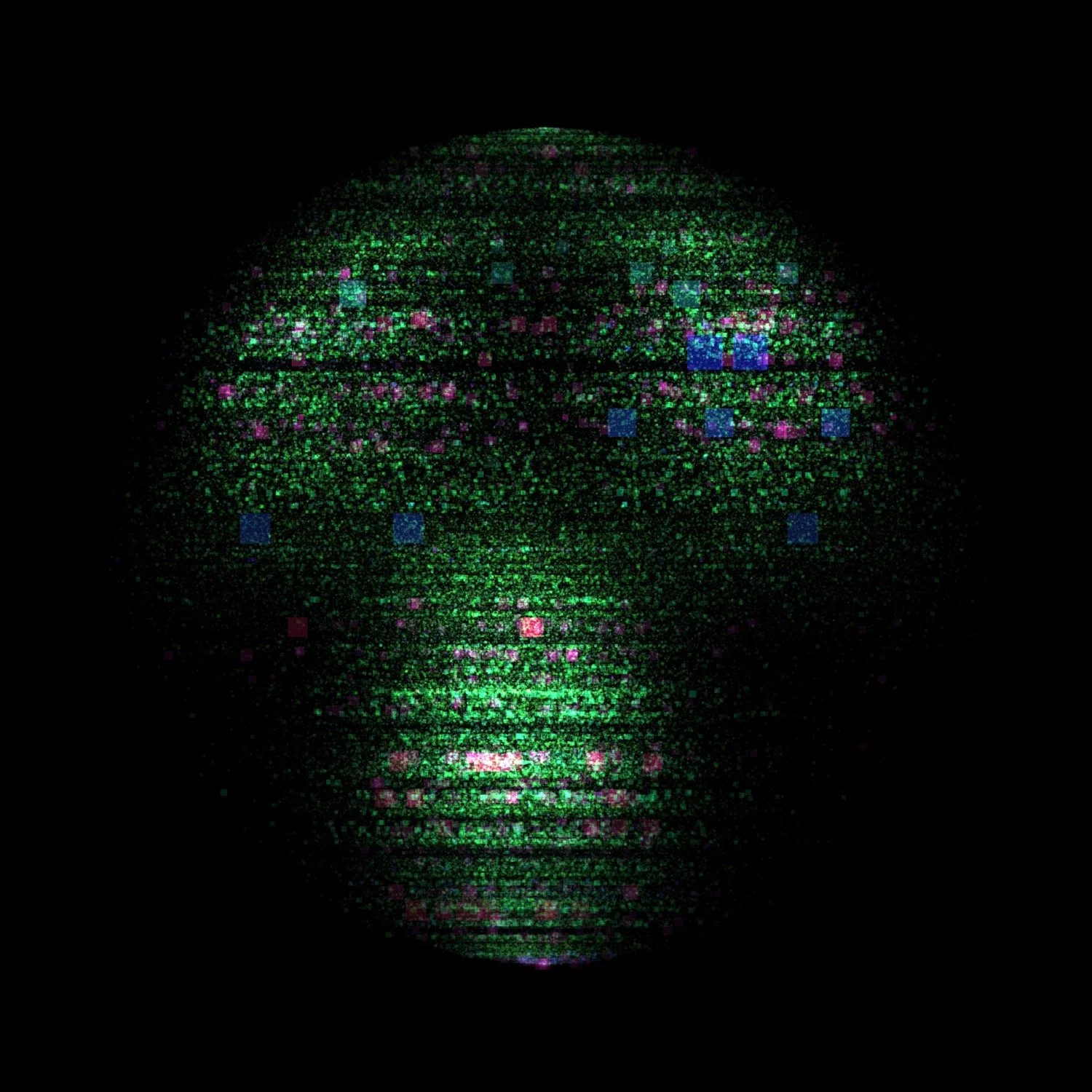
eko displaces the photographic operation from the optical to the acoustic spectrum. Over the past decade, I recorded every phone call I made. Ten thousand conversations with family, friends, and the people closest to me, accumulated into a vast archive of private speech. The impulse was simple: spoken words disappear, and I wanted to keep them. That the gesture of keeping is also the gesture of control, that the archive I built out of care is structurally identical to the ones our devices build without asking, became clear only later.
I am the constant in the archive: present in all ten thousand calls as listener, as the fixed surface against which every voice lands. Everyone else is modulation.
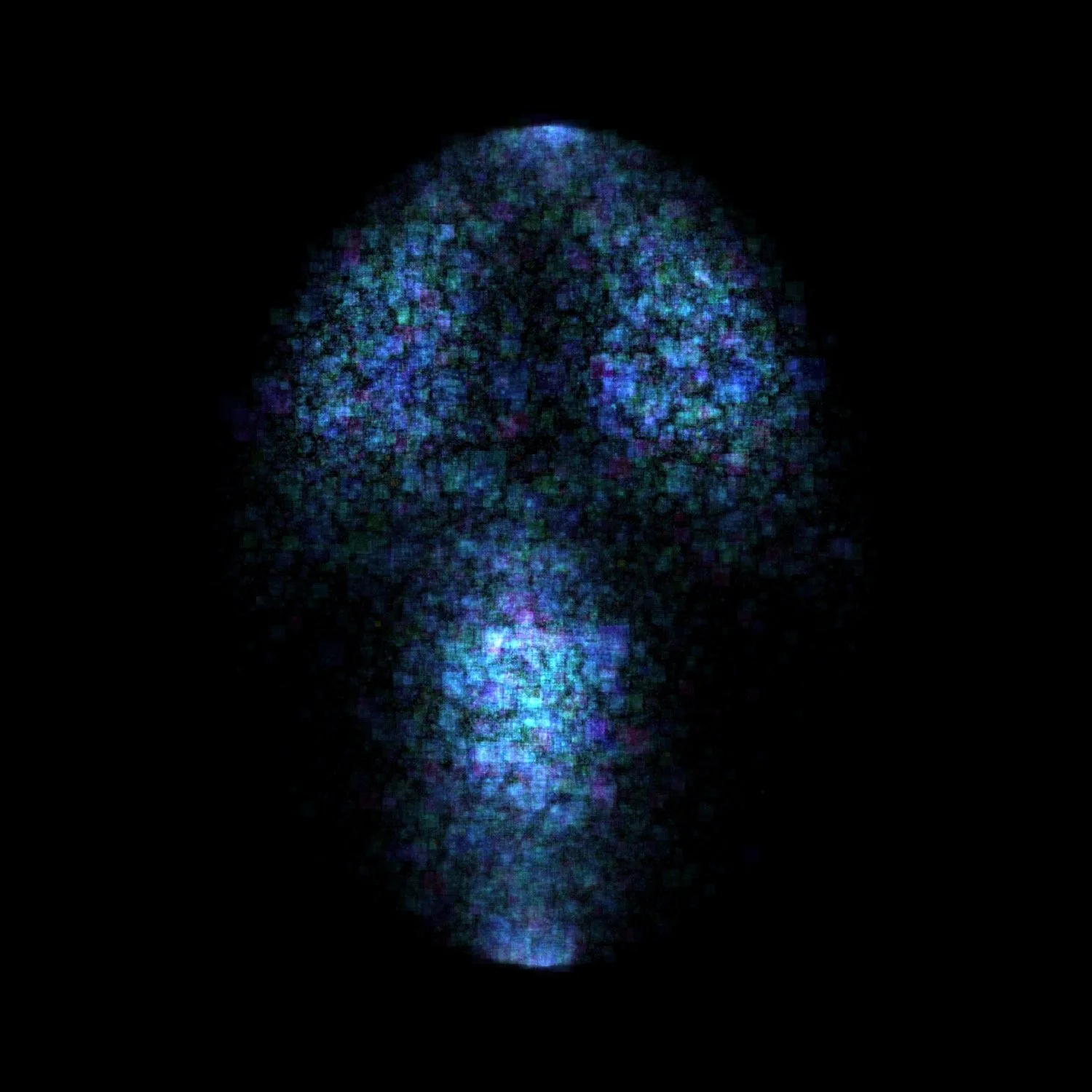
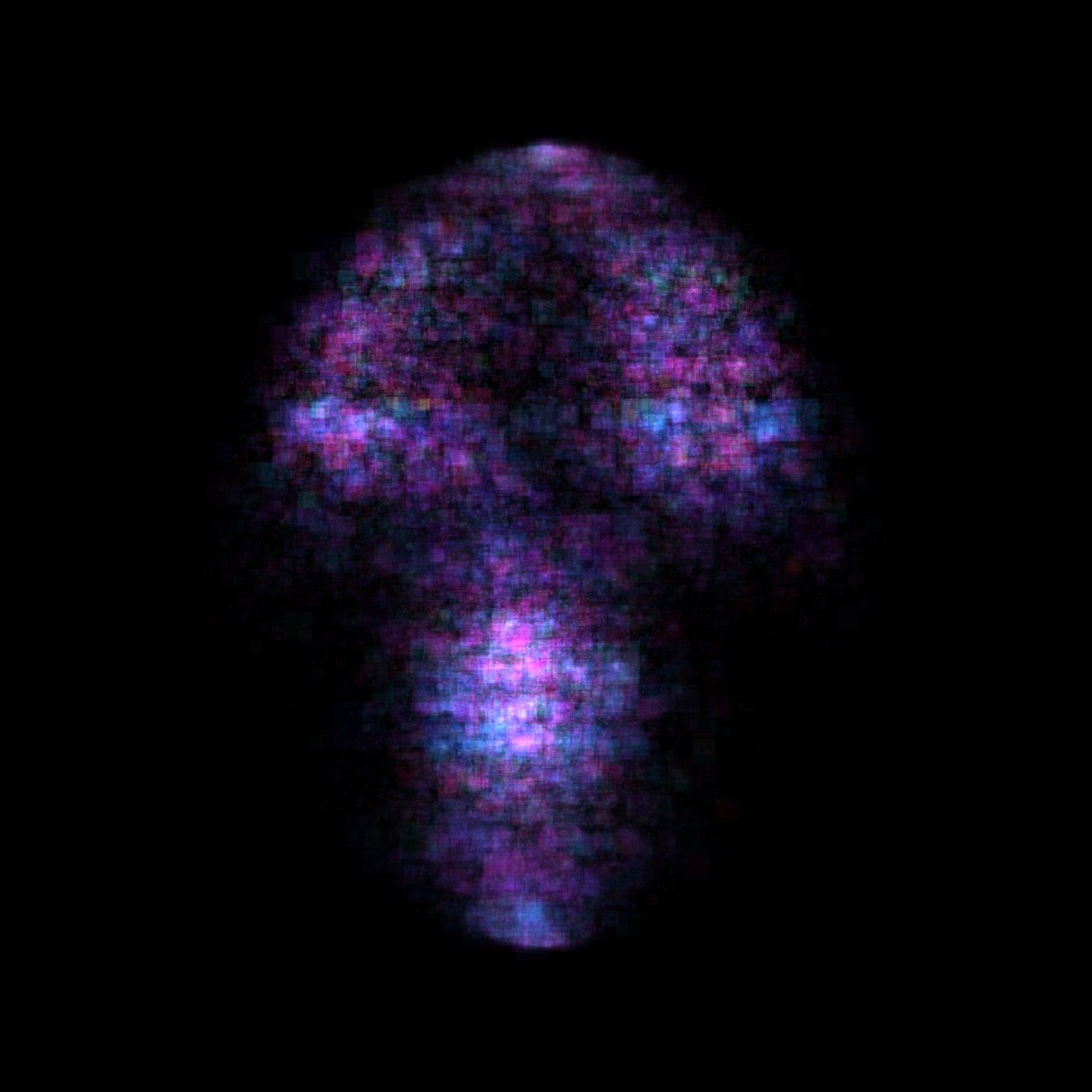
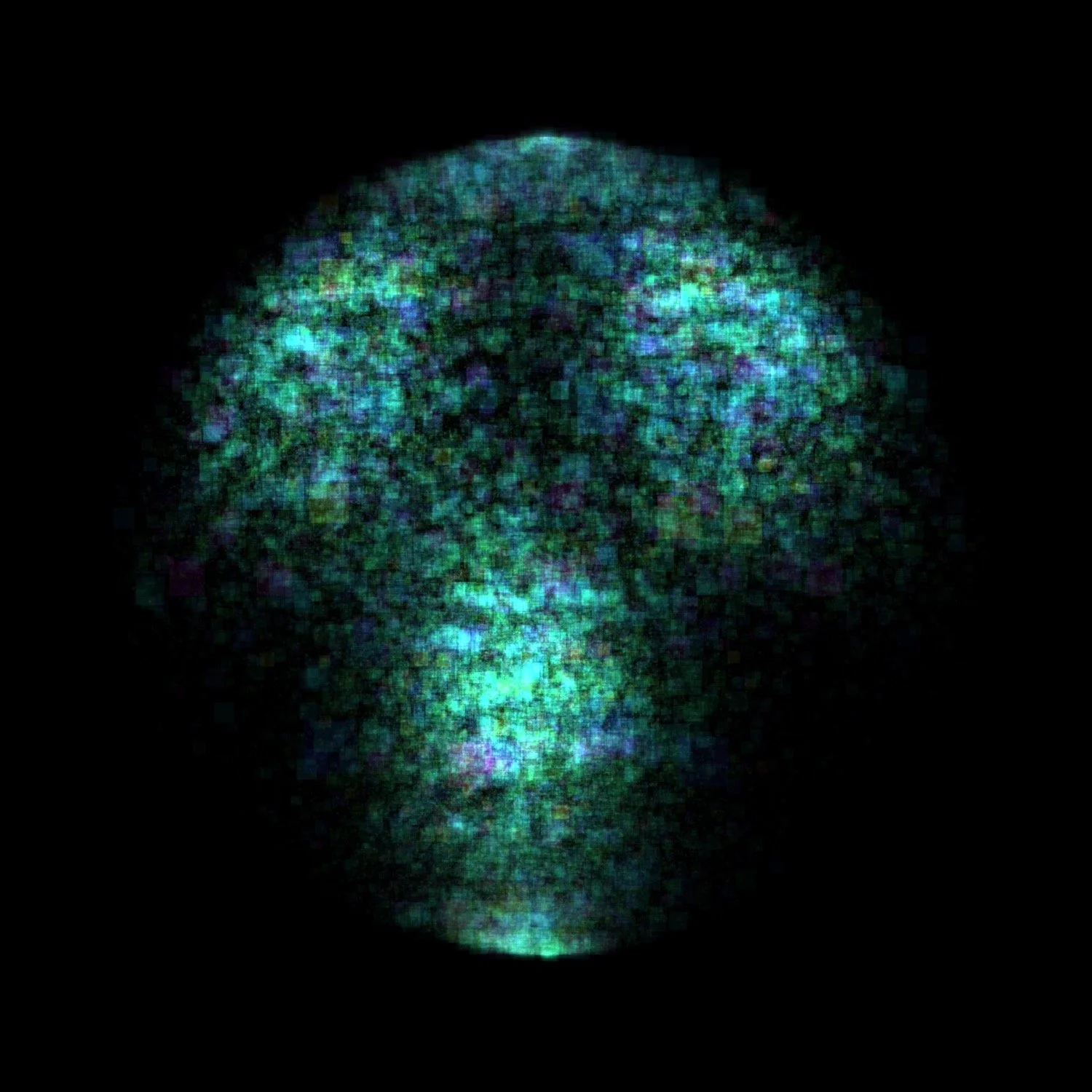
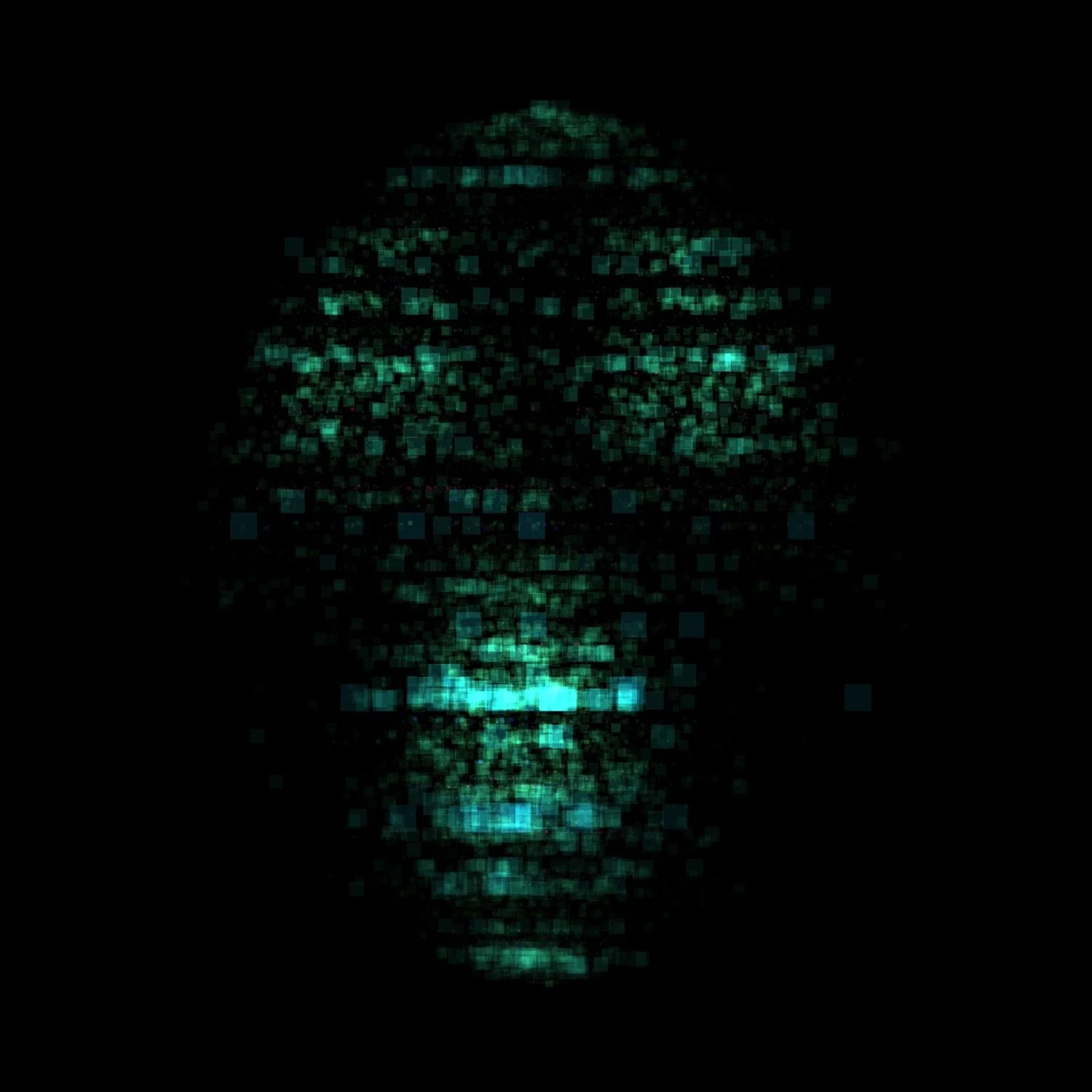
In parallel, my phone was capturing my face every time I looked at its screen, building the archive that became sentinel. Across two separate acts of self-surveillance I was constructing, without knowing it, the two halves of a photographic apparatus. The sensor is my own face, statistically averaged from tens of thousands of automated captures. The signal is voice. eko brings them together. A sensitive surface receives an emission and is permanently altered by it. That is what every photograph has always been. In eko, the surface is a face and the light is speech.
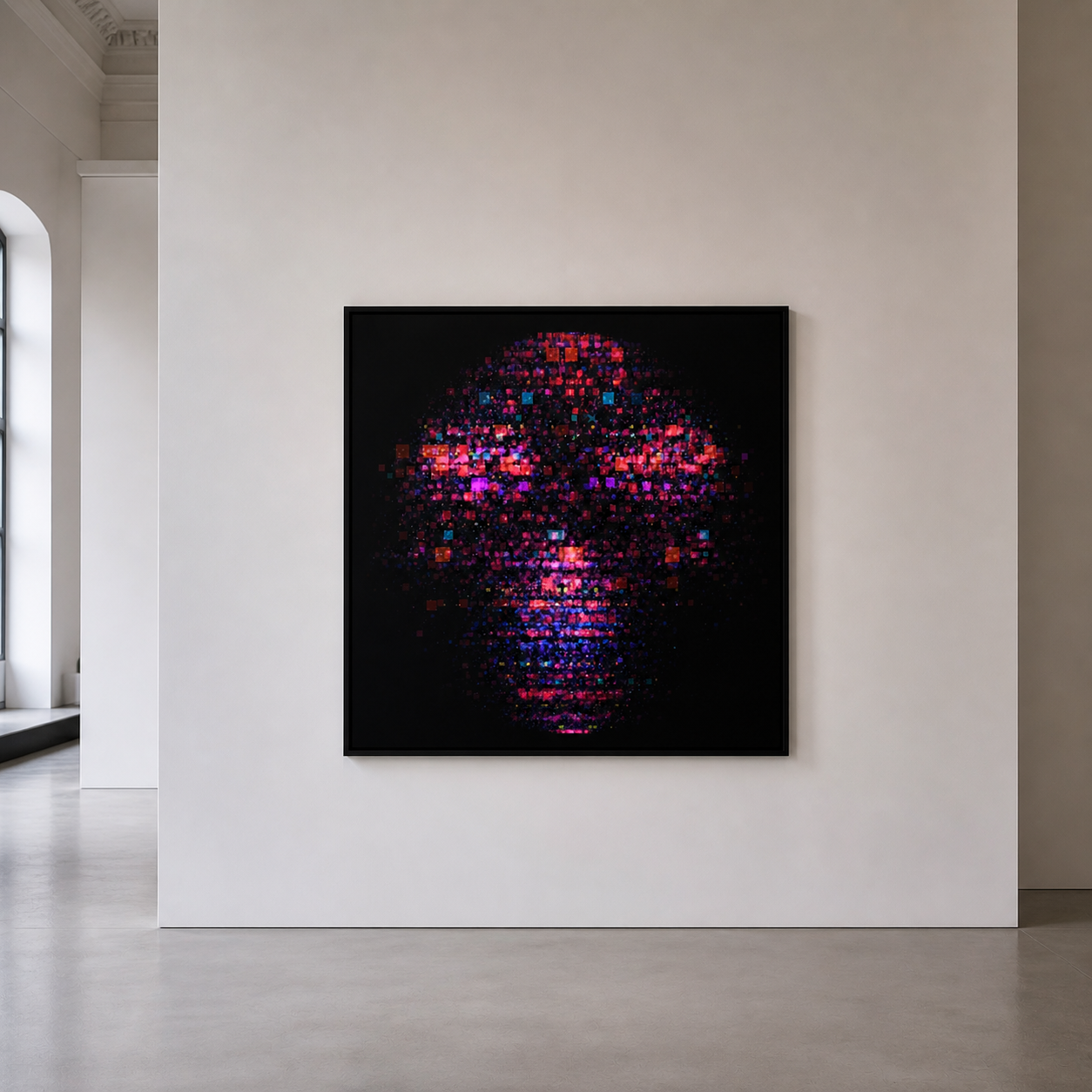
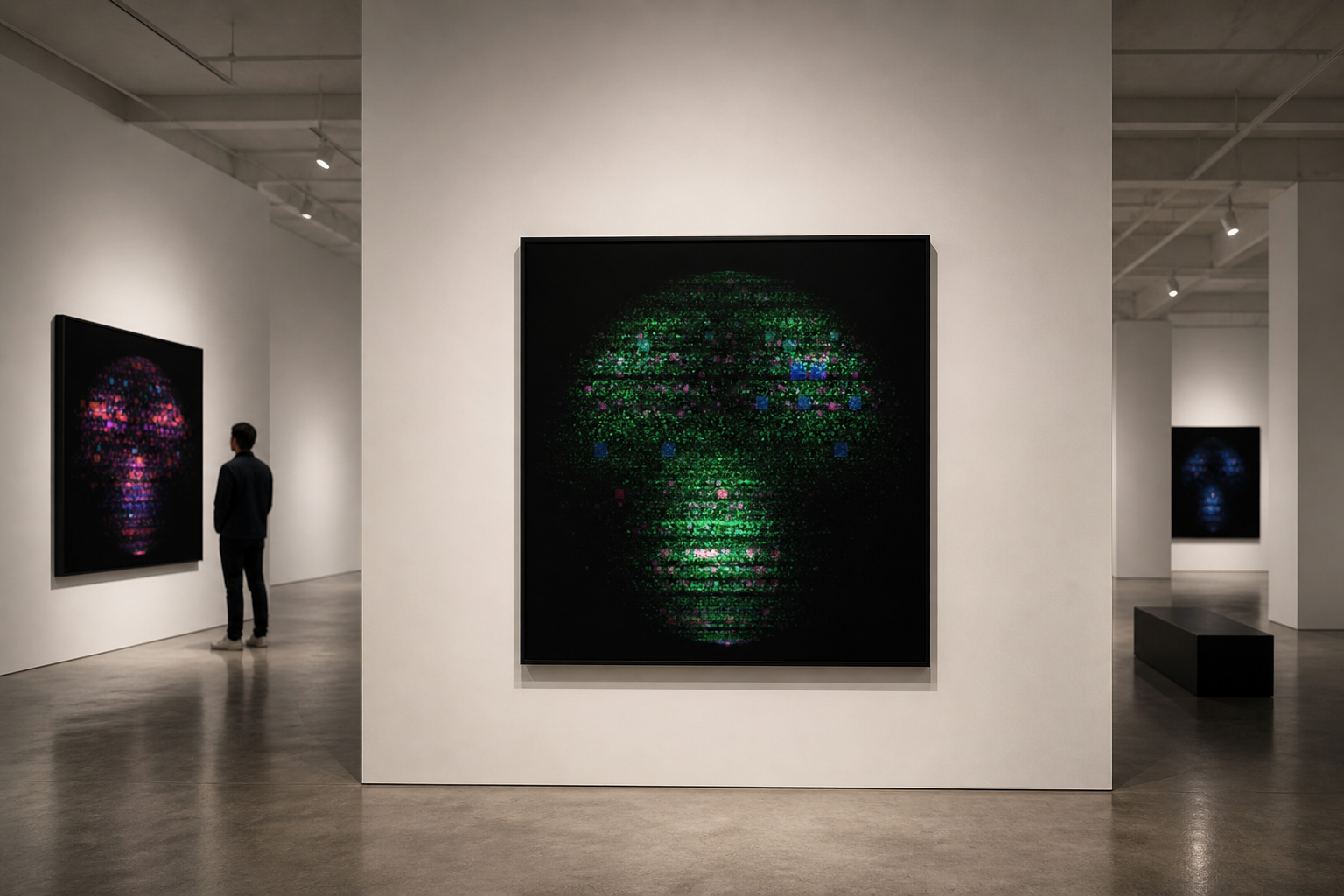
Each portrait maps every conversation with a single person onto the gravitational field of my face. Vocal frequency becomes color. Amplitude becomes stroke. Silence becomes void. Each piece is, in the strictest sense, an algorithmic photograph of the ear.
Series title: con.
All algorithms are written by hand, without generative artificial intelligence.
The archive listens to itself, caught in its own echo.